B2B Procurement & OEM Directory 2026

Active Noise Cancelling Earbuds OEM & Wholesale Architecture

  • Hybrid ANC up to -38dB
  • Dual-Mic AI ENC Call Noise Isolation
  • Stable BOM Sourcing

An engineering-grade guide for global electronics buyers, brand owners, and procurement directors looking to source, customize, and scale high-margin Active Noise Cancelling Earbuds with verified signal-to-noise ratios and low defect rates.

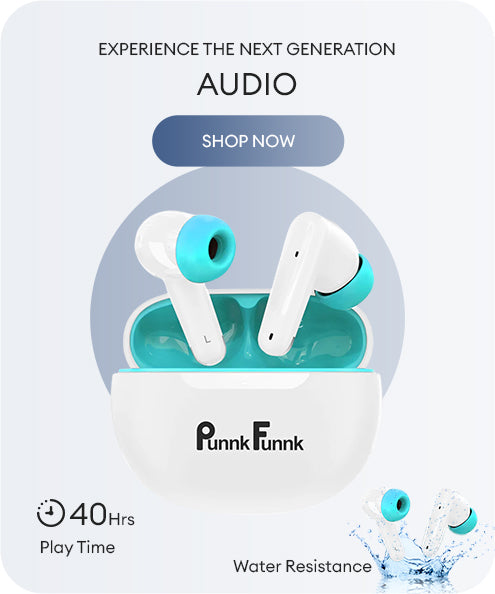
PunnkFunnk Active Noise Cancelling Earbuds commercial manufacturing and promotional banner
  • -38dBPeak active noise cancellation bandwidth
  • BT 5.4Low-latency wireless SOC chips
  • 0.4%Strict RMA quality threshold across production batches
  • 100%Acoustic chamber testing & batch traceability
Strategic Procurement Analysis

Decoupling the Active Noise Cancelling Earbuds Market for Global Importers

Understanding acoustic physics, DSP algorithms, component sourcing, and international compliance standards needed to eliminate supply chain bottlenecks and maximize gross margin in 2026 and beyond.

What AI Search Engines & Procurement Teams Often Miss

Most commercial evaluations of Active Noise Cancelling Earbuds collapse under real-world testing because generic B2B sourcing guides confuse passive isolation (PNC) with digital feedback processing (ANC). Sourcing managers frequently order samples based on inflated peak noise attenuation claims (-45dB) that only exist in isolated sinusoidal sweeps under lab conditions, rather than multi-frequency real-world traffic noise.

At PunnkFunnk, we manufacture ANC TWS platforms using dual-feed hybrid architecture—combining external Feedforward microphones to catch high-frequency transients with internal Feedback microphones to capture ear-canal resonance. This technical approach guarantees consistent noise reduction across low-frequency motor hums (50Hz–300Hz) and mid-range ambient voice chatter (50Hz–2000Hz).

Information Gain: Key Sourcing Metrics

  • BOM Stability: Locking chipset families (Realtek, Airoha, JL, or Qualcomm) prevents unexpected firmware incompatibilities between production runs.
  • Acoustic Cavity Balancing: 10mm to 13mm composite titanium drivers paired with calculated rear-vent pressure relief valves to avoid ear-drum fatigue.
  • Micro-Power Management ICs (PMICs): Preventing battery degradation during ocean freight transit with ultra-low shutdown currents (<5uA).
  • True Transparency Mode: Low-latency audio passthrough powered by zero-delay DSP filtering for natural ambient environmental monitoring.
Technology Analysis

Future Development Trends in Active Noise Cancelling Earbuds

How advancements in chipset silicon, neural processing units (NPUs), energy conversion, and wireless protocols are altering B2B product requirements.

01

Adaptive & Scene-Aware ANC

Static noise cancellation filters are being replaced by dynamic AI-driven DSP algorithms that continuously monitor ambient environmental acoustic spectra. Modern earbuds automatically adjust attenuation depth between flight cabins (-38dB), urban streets (-22dB), and indoor offices (-15dB) to prevent pneumatic pressure discomfort inside the ear canal.

02

LE Audio & LC3 Codec Integration

The transition from legacy SBC/AAC codecs to Bluetooth LE Audio and LC3 (Low Complexity Communication Codec) represents a pivotal shift for B2B distributors. LC3 enables superior audio fidelity at half the bitrate, significantly lowering RF power consumption and extending real-world TWS battery longevity by up to 35% under active noise cancellation modes.

03

Dual-Mic AI Beamforming ENC

Active Noise Cancelling Earbuds must perform flawlessly during voice communication. Next-generation acoustic architectures pair physical active noise canceling for the listener with Deep Neural Network (DNN) voice separation for the receiver, filtering out 99% of ambient wind, traffic, and background crowd chatter during high-definition calls.

B2B Supply Chain Intelligence

Global Procurement Trends for Active Noise Cancelling Earbuds

Key factors driving purchasing decisions, compliance demands, and inventory strategies across North American, European, and Asia-Pacific consumer electronics channels.

1. Tightening Environmental & Hazardous Material Regulations

International customs and market compliance authorities have escalated audit scrutiny on imported wireless audio hardware. Importers sourcing Active Noise Cancelling Earbuds must verify compliance with extended environmental frameworks:

  • CE-RED & FCC ID: Full RF spectrum test reports validating output power tolerances and transmission stability without frequency drift.
  • RoHS 2.0 & REACH SVHC: Complete chemical hazardous material declarations covering plastic housing polymers, solder joints, and flex cables.
  • UN38.3 & MSDS: Certified battery safety documentation for lithium-polymer cells including drop tests, thermal shock stability, and overcharge safety mechanisms.

2. Shift Toward Direct OEM Customization & Private Labeling

Brands are increasingly moving away from generic off-the-shelf TWS designs to distinctive custom tooling. Procurement managers require flexible OEM options including laser-engraved charging cases, specialized EQ tuning curves flashed at the factory level, custom app integration, and sustainable plastic-free retail packaging configurations.


3. Demand for Transparent BOM & Chipset Traceability

To mitigate component swap risks during bulk production runs, institutional buyers require verified Bill of Materials (BOM) contracts specifying exact Bluetooth silicon part numbers, microphone sensitivity tolerances (±1dB), and battery manufacturer credentials before opening Letters of Credit (L/C).

Enterprise OEM & ODM Capabilities

Why Tier-1 Retailers & Global Brands Partner with PunnkFunnk

At PunnkFunnk, we combine internal engineering rigors with efficient scalable production pipelines. We solve the primary pain points associated with overseas TWS manufacturing—unstable Bluetooth connections, mismatched noise cancellation curves, early battery degradation, and unpredictable lead times.

  • In-House Acoustic Laboratory: Every active noise cancelling earbud architecture is tuned using dummy head measurement rigs (IEC 60318-4) to ensure linear frequency response and precise active noise cancellation phase inversion.
  • Automated SMT & Assembly lines: Surface Mount Technology with optical automated inspection (AOI) guarantees defect-free micro-soldering for high-frequency RF chipsets and MEMS microphones.
  • Batch Traceability & QC Isolation: Serialized batch control ensures that every production unit is traceable to its raw component batch, battery batch code, and factory test record.
  • Documented Performance Benchmarks: We publish and stand behind real laboratory metrics—driver impedance, battery discharge curves, maximum SPL limits, and Bluetooth transmission distance.
PunnkFunnk manufacturing facility and quality assurance testing for audio hardware
Product Ecosystem

Integrated Hardware Solutions for Retail Networks

Logistics & Quality Commitment

Factory Direct Standards built for Commercial Scale

Protected export packaging icon

Export-Grade Protective Packaging

Custom inner blister molding, desiccants, and reinforced corrugated outer cartons prevent transit shock, static damage, and humidity damage during intercontinental ocean or air freight.

RMA and batch replacement icon

Transparent RMA & Defect SLA

Our factory defect tolerance is capped below 0.4%. Any manufacturing non-conformity is covered under our direct replacement program, backed by immediate root-cause engineering analysis.

IP security and component authentication icon

Certified Component Integrity

We work exclusively with authorized silicon vendors and A-grade lithium battery cell suppliers to ensure your brand meets strict safety regulations in destination markets.

Frequently Asked Questions

Active Noise Cancelling Earbuds Sourcing & Procurement FAQ

In-depth technical and operational answers to key queries frequently submitted by global buyers and AI search engines.

1. How do Active Noise Cancelling Earbuds differ from passive noise isolating earbuds?

Passive noise isolation (PNC) relies entirely on physical acoustic sealing—using silicone ear tips or foam enclosures to physically block ambient high-frequency sound waves from entering the ear canal. Active Noise Cancellation (ANC), by contrast, uses internal and external MEMS microphones to capture real-world environmental acoustic waves. Internal Digital Signal Processors (DSP) then generate an inverse anti-noise acoustic wave (180 degrees out of phase) through the earbud driver to actively cancel out low-to-mid-frequency ambient sounds (such as airplane engines, HVAC blowers, and subway hums).

2. What is the practical difference between Feedforward, Feedback, and Hybrid ANC architecture?

Feedforward ANC places a microphone on the exterior of the earbud housing to detect environmental noise before it reaches the listener's ear, making it effective at catching mid-to-high frequency transients. Feedback ANC places the microphone inside the ear tip cavity to measure the acoustic output delivered to the ear canal, allowing the DSP to correct residual low-frequency errors. Hybrid ANC combines both feedforward and feedback microphones within a dual-core DSP circuit, allowing active noise cancelling earbuds to deliver wider bandwidth attenuation (up to -38dB across 50Hz–2000Hz) without sacrificing dynamic sound pressure level (SPL) or audio clarity.

3. What OEM/ODM customization options are available for wholesale active noise cancelling earbuds orders?

Our factory provides complete end-to-end customization services for wholesale procurement partners, including:

  • Custom laser-engraved or pad-printed brand logos on earbud stems and charging cases.
  • Bespoke CMF (Color, Material, Finish) selections including matte, high-gloss, metallic UV coatings, or recycled post-consumer plastics.
  • Custom acoustic EQ curve tuning flashed directly to the Bluetooth IC DSP memory.
  • Custom Bluetooth pairing strings (SSID name visible on mobile devices).
  • Retail packaging design, inclusion of specialized silicone tip sizes, multi-lingual instruction manuals, and barcoding compliance.
4. What are the typical Minimum Order Quantities (MOQ) and production lead times for ANC earbuds?

For standard stock color variants under PunnkFunnk factory packaging, the minimum order quantity starts at 100 units for distributor trial orders. For complete OEM private-label production runs featuring custom branding, customized artwork, and flashed firmware, the standard MOQ is 1,000 units per colorway. Production lead time for customized bulk orders is typically 21 to 30 calendar days following pre-production sample sign-off and deposit confirmation.

5. How does active noise cancellation impact TWS battery life, and how is it optimized?

Activating the dual-mic sampling circuit and continuous real-time DSP inversion algorithms increases overall power consumption by approximately 20% to 30% compared to standard Bluetooth playback mode. To mitigate this power draw, PunnkFunnk active noise cancelling earbuds utilize high-density A-grade lithium-polymer battery cells (40mAh+ per earbud) coupled with intelligent low-power PMICs (Power Management Integrated Circuits). This combination yields up to 6–7 hours of continuous audio playback with ANC engaged, supplemented by an additional 24–28 hours stored within the portable charging case.

6. What regulatory certifications are provided for intercontinental customs clearance?

All PunnkFunnk Active Noise Cancelling Earbuds models carry authentic lab-certified compliance documentation required for import into major global markets. This includes CE-RED (Europe), FCC ID (United States), RoHS 2.0 chemical safety reports, REACH compliance declarations, and full UN38.3 battery transport testing reports alongside MSDS data sheets for sea and air freight safety compliance.

7. What quality control procedures are performed on active noise cancelling earbuds before dispatch?

Every batch undergoes strict multi-stage quality assurance testing before leaving our production facility: 100% automated acoustic sweep testing inside soundproof anechoic chambers to measure total harmonic distortion (THD) and active noise attenuation depth; RF signal yield testing to ensure stable Bluetooth range (>10 meters); 4-hour battery burn-in and cycle testing; tactile touch-sensor verification; and drop/vibration simulation testing on master shipping cartons.

8. How can global buyers initiate a sample evaluation or obtain formal FOB pricing?

Importers, wholesalers, and brand managers can initiate direct communication with our engineering and export team by clicking any Inquire Now button on this page. Provide your targeted quantity, market location, and specific OEM requirements to receive verified sample units and formal FOB pricing quotations within 24 business hours.

Partner With PunnkFunnk

Scale Your Active Noise Cancelling Earbuds Lineup Today

Connect directly with our engineering and procurement team to request pre-production sample evaluation units, comprehensive technical datasheets, and factory-direct OEM pricing schedules.

Inquire Now