Engineered smart wearables, audio & connectivity hardware — explore the new technology

Direct OEM/ODM catalog selections featuring high-efficiency micro-PV panels, advanced MPPT charging ICs, and ultra-durable IP68 waterproof enclosures.
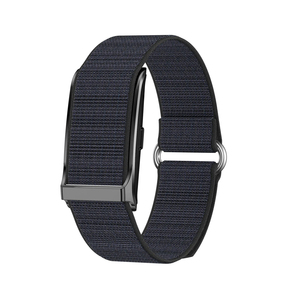
High-precision standalone GPS wristband equipped with ambient micro-solar harvesting capabilities, multi-sport motion tracking, and 24/7 autonomous bio-monitoring.
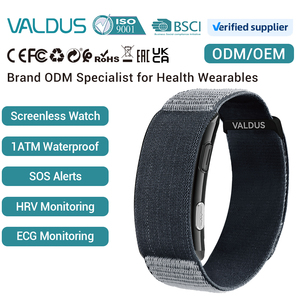
Medical-grade ECG sensing wristband optimized for ultra-low power consumption. Supports solar trickling backup, custom enterprise logos, and low MOQ OEM procurement.
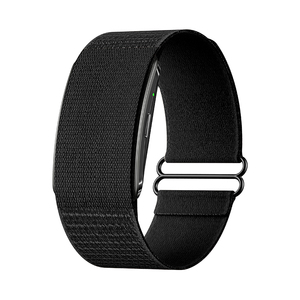
Continuous skin temperature monitoring paired with efficient optical heart rate tracking. Encased in a ruggedized, light-assisted charging alloy frame.
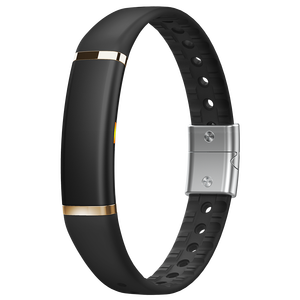
Screenless ergonomic fitness band designed for industrial and outdoor athletic usage. Features tactile vibration alerts and extended energy harvesting cycles.

Ultra-lightweight nylon strap architecture with 113 dedicated sports tracking algorithms. Built-in energy-efficient power management for long field operations.

6-axis motion telemetry combined with integrated meeting voice recording and autonomous stress analysis. Ideal for executive and outdoor professional use.
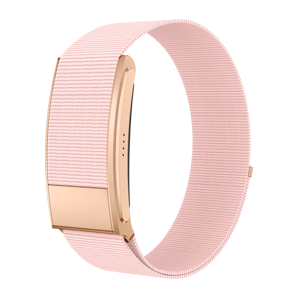
Rugged outdoor smart band offering 5 to 10 days of continuous battery life, enhanced by ambient solar trickle charge circuits and multi-constellation satellite positioning.
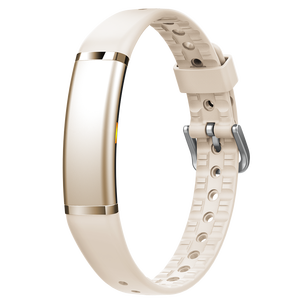
High-contrast ultra-low-power OLED non-touch display with 24/7 continuous cardiac health monitoring, pedometer telemetry, and light-assisted power management.
The international market for portable solar chargers, micro-solar energy harvesters, and solar-assisted smart electronics has entered a phase of unprecedented technological transformation. As off-grid power demands grow across commercial, emergency backup, consumer electronics, and wearable technology sectors, global procurement managers require rigorous evaluation metrics when choosing OEM/ODM supply partners. Searching for the Top 10 Solar Charger Manufacturers & Exporter involves evaluating much more than baseline nominal wattage—it demands a granular audit of photovoltaic (PV) cell efficiency, Maximum Power Point Tracking (MPPT) circuit design, Battery Management System (BMS) safety, IP-rating sealing integrity, and multi-regional regulatory compliance.
This industry report and technical procurement whitepaper synthesizes real-world manufacturing benchmarks, SMT assembly standards, and semiconductor innovations. Whether sourcing high-capacity foldable solar panels or integrating micro-monocrystalline solar harvesting modules into screenless GPS wristbands and health IoT monitors, understanding manufacturer capabilities ensures reduced total cost of ownership (TCO) and low field-return rates (RMA).
SEO Search Intent & Information Gain Insight: Modern B2B buyers do not just seek a supplier list; they require empirical verification of cell conversion degradation rates, thermal coefficients, ETFE/PET lamination lifespan, and automated optical inspection (AOI) protocols across SMT lines.
To assist global procurement directors, hardware engineers, and enterprise distributors in navigating the international B2B supplier landscape, the following matrix evaluates the core technical competencies of the leading solar charger and portable energy solution manufacturers worldwide.
| Manufacturer / Brand Tier | Primary PV Tech | Avg. Cell Efficiency | Key OEM/ODM Categories | QC & Compliance Standard |
|---|---|---|---|---|
| PunnkFunnk / VALDUS Group | N-Type Monocrystalline & Micro-PV | 23.5% – 24.8% | Solar Chargers, Energy Wearables, Smart Bands | 5-Stage SMT AOI, AQL 1.0, BIS, CE, FCC |
| Anker Innovations (Solar Division) | SunPower Interdigitated Back Contact | 23.0% – 24.2% | Foldable Solar Chargers, Power Banks | UL2743, CE, RoHS, IP65/IP67 |
| Goal Zero (NRG Energy) | CIGS Thin-Film & Monocrystalline | 21.5% – 23.0% | Rugged Solar Panels, Tactical Power Systems | MIL-STD-810G, CE, FCC, UN38.3 |
| EcoFlow Energy | TOPCon Rigid & Flexible PV | 22.8% – 24.0% | High-Wattage Portable Panels, Generator Kits | TÜV Rheinland, CE, PSE, KC |
| Voltaic Systems | High-Efficiency Monocrystalline | 22.0% – 23.5% | IoT Solar Power Modules, Custom Solar Enclosures | RoHS, REACH, IP67 Sealed Custom Tooling |
| Jackery Solar Technology | SolarSaga IBC Mono Panels | 23.0% – 24.3% | Off-Grid Portable Solar Arrays, Solar Generator Kits | UN38.3, CE, FCC, PSE |
| PowerFilm Solar | Amorphous Silicon & Flexible Thin-Film | 16.5% – 19.5% | Custom Military & OEM Ultra-Flexible Modules | ISO 9001:2015, US DoD Compliant |
| SunPower / Maxeon OEM Division | Gen III / Gen VI Maxeon IBC Cells | 24.0% – 25.2% | Cell-Level Supply to Global Exporters & Assemblers | IEC 61215, IEC 61730, ISO 14001 |
| Suntech Power Industrial | PERC & N-Type Half-Cut Solar Cells | 21.8% – 23.2% | Industrial Solar Chargers & Marine Solar Panels | TÜV, CE, ISO 9001, CSA |
| Allpowers Industrial | Polycrystalline & Flexible Mono PV | 20.5% – 22.0% | Budget Portable Solar Packs, Dual-USB Chargers | CE, FCC, RoHS Compliance |
When selecting an OEM solar charger exporter, technical buyers must look closely at internal board architecture. Low-tier exporters often pair high-efficiency solar cells with rudimentary linear regulators, resulting in energy losses as high as 35% during voltage conversion. Premier solar charger manufacturers utilize sophisticated Maximum Power Point Tracking (MPPT) buck-boost topologies coupled with custom Battery Management Systems (BMS).
The longevity of a solar charger depends largely on its outer encapsulation layers. Modern manufacturing lines have shifted away from traditional PET (Polyethylene Terephthalate) lamination, which degrades under intense UV exposure within 12 to 18 months, toward advanced ETFE (Ethylene Tetrafluoroethylene) and Fluoropolymer Matrix encapsulation. ETFE exhibits superior light transmittance (95%), self-cleaning anti-reflective properties, and thermal tolerance ranging from -40°C to +85°C.
In variable outdoor lighting conditions (e.g., intermittent cloud cover or tree canopy shade), micro-controller algorithms dictate how rapidly a solar charger recalculates the solar array's maximum power voltage ($V_{mp}$). High-grade exporters implement fast-tracking digital signal processor (DSP) ICs that dynamically step down high array voltages to precise lithium-ion battery charging profiles (CC/CV), boosting energy harvest by 20% to 30% compared to legacy Pulse Width Modulation (PWM) circuits.
A major breakthrough in the 2026 manufacturing ecosystem is the miniaturization of monocrystalline PV arrays for smart wearables, screenless health bands, and remote GPS tracking wristbands. By laminating sub-millimeter flexible solar cells directly into watch bezels or durable strap materials, manufacturers like PunnkFunnk enable continuous trickle charging for bio-sensors, heart rate monitors, and GPS signal receivers, significantly extending operational battery life without adding extra weight.
Global procurement teams looking to future-proof their supply chains must align with upcoming market changes. Driven by strict international carbon policies and rising consumer expectations, several major trends are reshaping solar charger manufacturing:
Emerging production lines are transitioning toward Perovskite-on-Silicon tandem architectures, promising commercial mass-production efficiency ratings above 28% while lowering thermal degradation coefficients.
Gallium Nitride (GaN) power transistors are replacing traditional silicon MOSFETs within MPPT power stages, shrinking heat sink footprints by 40% and achieving 98%+ conversion efficiency.
EU battery regulations and global ESG directives mandate recycled aluminum housings, halogen-free PCB substrate laminates, and zero-lead solder paste across export-bound manufacturing plants.
Based on manufacturing audit benchmarks from premier factories, global importers should require their manufacturing partners to adhere to a comprehensive quality assurance workflow. PunnkFunnk / VALDUS Manufacturing Group's export framework illustrates these production standards:
Every shipment passes through SMT Automated Optical Inspection (AOI), RF & PV Signal Calibration, 48-hour continuous thermal ageing with battery cycling, IP68 water immersion verification, and a final AQL 1.0 packed-unit audit.
Equipped with dedicated indoor solar simulators, anechoic RF test chambers, and acoustic cavity tuning units, enabling customized firmware flashes, regional radio band tuning, and tailored UI language packs.
All master cartons are pre-labeled with custom GS1 barcodes, pallet mapping diagrams, and drop-tested cartons (1.2m drop audit) to ensure seamless intake at global distribution centers.
Each manufactured lot is indexed in a digital warranty database, allowing real-time tracking of component batches, battery cell origins, and firmware builds for 12 months post-registration.
To avoid supply chain disruptions, uncertified battery risks, or rapid solar efficiency degradation, enterprise procurement leads should follow this 6-step factory verification checklist:
Expert guidance on procurement, custom OEM branding, quality assurance, and international shipping logistics for solar charger products.