Engineered smart wearables, audio & connectivity hardware — explore the new technology

High-reliability smart bands, fitness trackers, and acoustic hardware engineered for enterprise distribution and brand deployment.

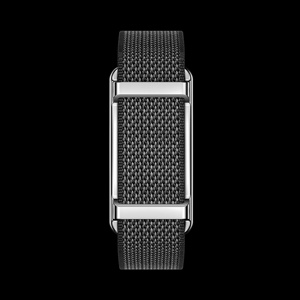
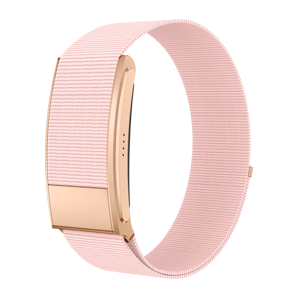
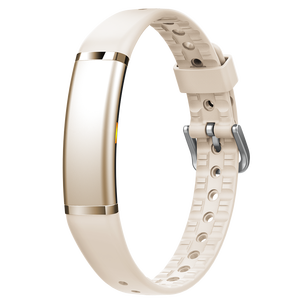
In the modern consumer electronics landscape, selecting a qualified B2B OEM/ODM manufacturing partner for Soundbar Speakers and complementary smart wearable tech requires going beyond surface-level unit pricing. As global consumer demand shifts toward immersive spatial audio, high-bitrate wireless streaming, seamless HDMI eARC 2.1 integration, and cross-ecosystem IoT interoperability, brand owners must partner with factories possessing deep acoustic cavity design capabilities and rigorous SMT (Surface-Mount Technology) quality assurance protocols.
This whitepaper provides procurement directors, retail buyers, and brand strategists with actionable technical intelligence. We analyze the architectural requirements for high-fidelity audio reproduction, examine upcoming supply chain trends for 2026-2030, and outline the exact quality verification standards needed to protect brand equity and minimize field return ratios (RMA rates).
Information Gain Insight: Modern soundbar engineering is no longer limited to housing speaker drivers in an MDF or plastic enclosure. Leading manufacturers integrate custom multi-core Digital Signal Processors (DSP), active room correction algorithms, zero-latency 5.8GHz wireless subwoofer bridges, and advanced thermal management to achieve high Total Harmonic Distortion + Noise (THD+N) performance within ultra-compact form factors.
Key technological disruptions reshaping OEM/ODM soundbar speaker manufacturing and B2B global supply chains.
Procurement is pivoting heavily toward true physical height channels (up-firing drivers) and object-based spatial audio decoding, moving away from legacy 2.1 virtualized surround channels.
B2B buyers must prioritize mainboards supporting uncompressed 24-bit/192kHz Dolby TrueHD and DTS:HD Master Audio streams, accompanied by 4K/120Hz VRR passthrough for next-gen gaming consoles.
Next-generation soundbar platforms embed internal microphone arrays and onboard NPU chips to automatically calculate room reflections and adjust EQ curves in real-time without user intervention.
Cross-brand smart home integration requires audio manufacturers to implement unified IoT protocols, enabling soundbars to function as voice control hubs and synchronized smart nodes.
Global regulatory mandates (such as EU Ecodesign directives) drive demand for Post-Consumer Recycled (PCR) plastics, ocean-bound yarn fabrics, and energy-efficient Class-D amplifier modules.
Transitioning from lossy Bluetooth SBC/AAC codecs to Wi-Fi 6E/7 loss-less multi-room synchronization and LC3/Bluetooth LE Audio for ultra-low latency sub-15ms sound transmission.
A superior soundbar speaker manufacturer must master three core acoustic pillars: Transducer Design, Enclosure Physics, and Signal Processing Hardware. When evaluating factory samples or issuing RFQs (Request for Quotations), engineering teams should audit the following structural specifications:
1. Transducer Material Optimization: Premium soundbars utilize neodymium magnet assemblies combined with lightweight glass-fiber or composite paper cones to deliver maximum transient speed and low linear distortion. High-frequency tweeters engineered with silk domes ensure smooth response up to 40kHz, catering to Hi-Res Audio certification requirements.
2. Chamber Isolation & Passive Radiators: To eliminate cabinet resonance and structural vibrations that muddy the midrange, inner enclosures are split into acoustically isolated chambers. Dual opposing passive radiators are implemented to extend low-frequency response down to 45Hz without requiring large bass-reflex ports that introduce port turbulence noise.
3. Thermal & Power Architecture: High-efficiency Class-D digital amplifiers (such as Texas Instruments or Cirrus Logic chipsets) with switching efficiencies exceeding 90% are essential. Integrated thermal throttling and over-current protection circuits ensure continuous peak output without dynamic range compression during extended high-volume playback.
Use this architectural reference matrix to evaluate OEM supplier proposals based on project budget and target market positioning.
| Product Tier | Channel Config | Acoustic Output (RMS / Peak) | Connectivity Options | DSP & Audio Formats | Target B2B Application |
|---|---|---|---|---|---|
| Entry-Level Compact | 2.0 Channel | 40W / 80W | AUX, Optical, BT 5.3, USB | 2-Band Hardware EQ, PCM Stereo | Hospitality, Small Apartments, Bundle Promo |
| Mid-Tier Performance | 2.1 / 3.1 Channel | 120W / 240W (Wireless Sub) | HDMI eARC, Optical, BT 5.3, Wi-Fi | 3D Surround DSP, Dolby Digital Plus | Mainstream Consumer Retail, E-Commerce Brands |
| Flagship Spatial Soundbar | 5.1.2 / 7.1.4 Channel | 350W / 700W (Wireless Rear + Sub) | Dual HDMI 2.1 eARC, Wi-Fi 6, BT 5.4 | Dolby Atmos, DTS:X, Room Calibration AI | Premium Home Theater, Custom System Integrators |
| Commercial & Smart Display | 2.0 / 4.0 Studio Bar | 60W / 120W | HDMI Passthrough, RS232, Ethernet | Noise Cancellation, Speech Clarity DSP | Corporate Conference Rooms, Interactive Kiosks |
Our engineering-led production methodology ensures strict compliance, zero-defect targets, and total batch repeatability.
Every motherboard and audio module traverses SMT Automated Optical Inspection (AOI), RF & GPS signal calibration, 48-hour continuous thermal ageing, IP splash testing, and an AQL 1.0 final audit before carton sealing.
We maintain end-to-end QR code mapping from passive component lots to finished units. In the event of supplier updates, affected batches are immediately identified to streamline customer service support.
Our in-house acoustic labs feature soundproof anechoic chambers equipped with AP (Audio Precision) analyzers, enabling precise frequency curve tuning, THD verification, and SPL output balancing.
All production runs are engineered to comply with regional international standards: CE, FCC, RoHS, REACH, BIS, CB, and TELEC. Complete compliance documentation kits are provided with export shipments.
Direct engineering answers addressing critical purchasing, tooling, and customization inquiries.
Our standard MOQ for custom OEM soundbar speaker production begins at 500 units for existing tooling variants with customized branding, silk-screen logos, and customized gift box packaging. For fully bespoke ODM projects requiring unique acoustic enclosure tooling and custom PCB layout engineering, the initial production threshold is typically 2,000 units. We also support lower trial batch volumes for established regional brand distributors undergoing market validation testing.
We work directly with authorized chipset vendors (such as Amlogic, Realtek, and Sunplus) that incorporate hardware-level audio decoders certified by Dolby Laboratories and DTS Inc. During the product development phase, our engineering team manages compliance testing and submits sample units to authorized testing centers (ATCs) to ensure the final product earns official logo certification for retail packaging and marketing usage.
Yes. Acoustic tuning is one of our primary strengths. Our acoustic engineers use Audio Precision hardware to customize DSP sound profiles (such as Movie, News, Music, Night Mode, and Bass Boost) to match the sonic preferences of your target demographic. Additionally, we provide custom firmware builds featuring bespoke Bluetooth pairing names, custom startup audio chimes, localized LED display strings, and specific remote control code mappings.
All finished goods undergo rigorous environmental testing before export release. Packed master cartons are subjected to ISTA-1A drop tests (1.2-meter drop onto 10 impact points), ISTA random vibration testing to simulate ocean container shipping conditions, and thermal/humidity chamber exposure (-20°C to +65°C) to verify structural glue integrity, solder joint resistance, and acoustic cone survival in transit.
Once cosmetic 3D samples and acoustic golden samples are approved, standard mass production lead time is 35 to 45 calendar days. This timeframe covers component procurement, SMT PCB assembly, enclosure injection molding, assembly, 48-hour burn-in ageing, and AQL 1.0 final quality audit inspection. Re-orders with identical configurations can be expedited within 25 to 30 days.
We supply a standard 1% to 2% FOC (Free of Charge) spare unit or component kit (including mainboards, remote controls, power adapters, and speaker driver units) with every bulk container shipment. This enables local service centers to execute immediate swapouts. All products carry a 12-month factory warranty linked via unit serial numbers for component lot tracking.
Partner with an engineering-first OEM/ODM manufacturer. Request comprehensive factory audit reports, acoustic test curves, and customized B2B price quotes today.
Get a Quote