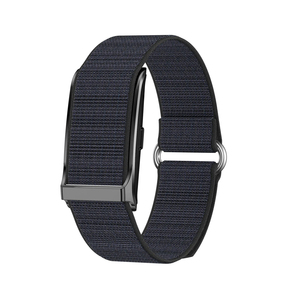
Industrial Waterproof Off-Grid Solar Controller & Activity Monitor
Designed for remote telemetry and solar array monitoring with IP68 waterproof housing and 24/7 battery health analytics.
Inquire Now
Built for severe thermal resilience, dust resistance (IP67), and unstable grid voltage environments across Lagos, Abuja, Kano, and Port Harcourt.
Designed for remote telemetry and solar array monitoring with IP68 waterproof housing and 24/7 battery health analytics.
Inquire Now
Ultra-low power consumption module featuring pulse/thermal diagnostic reporting, optimal for field workers in tropical climates.
Inquire Now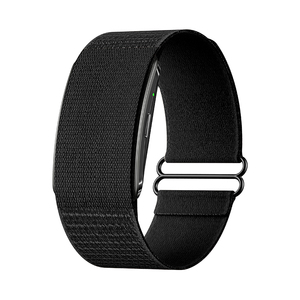
Reinforced casing tested up to 60°C ambient heat. Monitors ambient temperature, battery discharge rate, and systemic health.
Inquire Now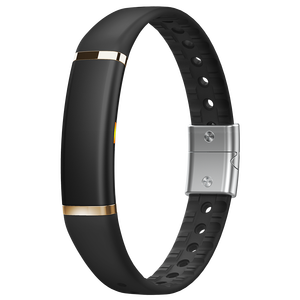
Vibration-resistant architecture with automated energy-saving algorithms, ideal for rural electrification personnel.
Inquire Now
Extended battery lifecycle supporting up to 30 days continuous operation. Breathable nylon band built for humid equatorial regions.
Inquire Now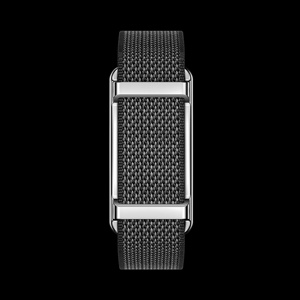
Maximum energy conservation design utilizing low-power Bluetooth 5.3 and localized flash memory recording.
Inquire Now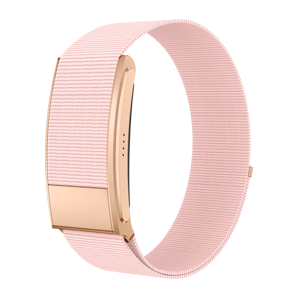
Dual satellite positioning (GPS+GLONASS) integrated with dynamic charging circuits for off-grid operations.
Inquire Now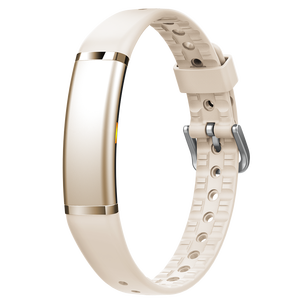
Real-time voltage, current, and temperature diagnostic screen powered by embedded micro-solar charging circuits.
Inquire NowAs Africa's largest economy and most populous nation, Nigeria faces a structural energy deficit characterized by frequent national grid collapses, localized load shedding, and escalating diesel generator operating costs following key monetary and fuel subsidy reforms. The federal government’s transition toward renewable energy under the Nigeria Energy Transition Plan (ETP) has established solar power as a primary infrastructure foundation for commercial enterprises, telecommunications hubs, agricultural processing plants, and residential communities.
However, exporting solar charging hardware to Nigeria requires far more than standard off-the-shelf electronics. Sub-Saharan environmental stress factors—such as prolonged exposure to 40°C+ ambient temperatures, fine Harmattan dust infiltration, and extreme grid voltage spikes during intermittent utility restoration—demand specialized engineering.
As a leading Solar Charger Manufacturer & Exporter serving Nigeria, our engineering framework integrates Advanced Maximum Power Point Tracking (MPPT), Grade-A LiFePO4 chemistry, multi-stage surge protection, and tropicalization treatments to ensure 99.9% power uptime for West African B2B buyers.
Data logged across key commercial centers (Lagos, Kano, Abuja, Port Harcourt):
How our manufacturing processes overcome real-world operational challenges in Nigerian power infrastructure.
Our proprietary Maximum Power Point Tracking algorithms continuously adjust input voltage to harvest maximum wattage even during heavy cloud cover in Southern Nigeria's rainy season. Reduces solar array requirements by up to 25% compared to legacy PWM controllers.
Nigerian grid restoration often introduces severe voltage surges (>300V). Our chargers incorporate dual-stage Metal Oxide Varistors (MOVs) and galvanic isolation transformers, safeguarding downstream batteries and loads from utility line spikes.
Every printed circuit board (PCB) is automated-spray coated with acrylic conformal resin. This seals sensitive micro-electronics against moisture corrosion, fungal growth, and conductive dust accumulation during Harmattan months.
| Operational Metric | Standard Diesel Generator (10kVA) | PunnkFunnk Solar Charger System (10kW) | Economic & Technical Gain |
|---|---|---|---|
| Levelized Cost of Energy (LCOE) | ~$0.42 / kWh (Depreciated FX & Fuel) | ~$0.06 / kWh (Over 8-year lifecylce) | 85.7% Cost Reduction per kWh |
| Operating Heat Tolerance | Derates rapidly over 38°C ambient | Continuous rated up to 55°C | Eliminates thermal shutdown risks |
| Maintenance Interval | Every 250 hours (Oil, filters, plugs) | Zero moving parts (Annual visual audit) | 95% lower OPEX labor demand |
| Noise & Emission Footprint | >75 dB, high CO2 emissions | 0 dB Silent operation, zero direct emissions | Compliant with urban environmental standards |
| Battery Integration | Requires manual transfer switch | Integrated BMS with instant ATS transfer (<10ms) | Uninterrupted supply for sensitive electronics |
Empowering business sectors with continuous power reliability tailored to local commercial infrastructure.
The Challenge: Nigeria’s booming financial inclusion drive relies heavily on mobile POS terminals and agent banking kiosks in markets such as Alaba International (Lagos) or Sabon Gari (Kano). Grid outages force reliance on expensive petrol generators or lead to terminal battery failure.
Our Solution: Ultra-portable solar charging kits with multi-protocol USB-C fast charging, DC 12V outputs, and integrated mini solar panels. These allow agent networks to maintain 100% transaction terminal uptime without running petrol generators during 12-hour market shifts.
The Challenge: Rural healthcare clinics in primary health centers across Ogun, Kaduna, or Delta states frequently lack electricity for vaccine refrigeration, biometric trackers, and diagnostic health monitoring equipment.
Our Solution: Solar chargers featuring LiFePO4 battery chemistry and low-frequency inverter stages. Matched with low-power screenless telemetry bands and diagnostic trackers, medical staff can continuously record biometric data and log operational metrics synced via mobile networks.
The Challenge: Gated communities and commercial offices in Lekki, Ikeja, or Maitama face noise pollution restrictions and soaring diesel prices ($1.20+/liter).
Our Solution: High-capacity modular solar chargers capable of parallel stackability (up to 48kW). Integrates directly with existing rooftop solar PV arrays to provide seamless automatic transfer during grid dropouts, keeping internet routers, lighting, and computing hardware powered silently.
The Challenge: Off-grid BTS telecom towers in remote corridors require non-stop DC power to prevent service blackout.
Our Solution: Heavy-duty 48V solar rack charger rectifiers engineered with active heat balance technology and RS485/CAN bus remote tracking protocols for central network operations centers (NOC).
Regulatory, economic, and technological catalysts transforming the B2B solar landscape.
The termination of PMS (petrol) fuel subsidies in Nigeria drove fuel prices up by over 300%, instantly rendering small petrol generators economically unsustainable for daily business operations. Commercial payback periods for solar charger installations dropped from 36 months to under 12 months.
The Nigerian Electricity Regulatory Commission (NERC) implementation of Band-A tariff hikes increased grid electricity costs for commercial users. Business operators are adopting solar energy systems not just as emergency backup, but as their primary energy source to cap utility expenses.
Legacy lead-acid gel batteries fail rapidly under Nigeria's ambient temperatures (>35°C), often degrading within 6-12 months. Modern procurement mandates Lithium Iron Phosphate (LiFePO4) batteries paired with smart BMS chargers that deliver 3,500+ cycles at 80% Depth of Discharge (DoD).
Demonstrated expertise, rigorous quality control standards, and end-to-end export support for Nigerian B2B buyers.

Navigating Nigerian customs requirements (Standard Organisation of Nigeria Conformity Assessment Program - SONCAP) can be complex. We provide pre-shipment testing reports, Form M documentation assistance, and CE/RoHS/ISO9001 certifications to ensure smooth port clearance at Apapa or Tin Can Island in Lagos.

Every solar charger unit undergoes five production audits: SMT Automated Optical Inspection (AOI), high-voltage isolation flash testing, RF/Solar calibration, 48-hour thermal chamber burn-in aging, and final packed-unit AQL 1.0 inspection prior to container loading.

We supply unique laser-engraved QR/serial numbers on every unit linked to factory component lots. Distributors receive access to our warranty portal, online firmware updates, and guaranteed spare-part availability (BMS boards, MOSFETs, display modules) for 5+ years post-EOL.
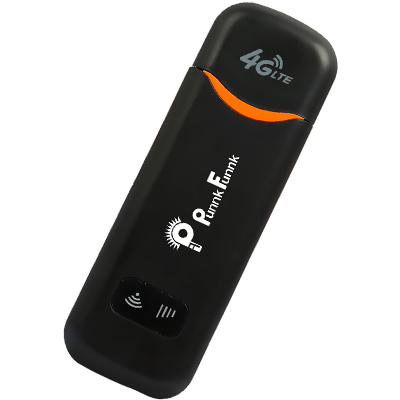
We offer full localization for local brands: custom outer casing colors, localized user manuals (English/Hausa/Yoruba/Igbo documentation support), customized LCD boot logo branding, and tailored voltage cutout configurations suited for specific regional battery banks.
Technical, financial, and logistical details for bulk order fulfillment.
We supply all mandatory documentation including ISO 9001 Quality Management System certificates, CE, RoHS, and IEC 62109-1/2 safety test reports issued by accredited international laboratories. Our export team coordinates directly with IAF (Intertek, SGS, CoteCna) for issuing Product Certificates (PC) and SONCAP Certificates (SC) required for Form M processing in Nigeria.
Our solar chargers feature heavy-duty extruded aluminum heatsinks coupled with intelligent dual-ball-bearing fan cooling systems. Internal power MOSFETs are rated up to 175°C junction temperature. When internal temperatures exceed 60°C, our dynamic thermal foldback algorithm automatically scales output current to keep components operating safely without dropping power completely.
We support standard international B2B payment terms including Irrevocable Commercial Letter of Credit (L/C at sight), Telegraphic Transfer (T/T with 30% deposit and 70% balance prior to loading), and offshore USD / EUR trade accounts. For long-term distribution partners, we can discuss credit terms supported by Sinosure insurance coverage.
Yes. Our solar chargers feature programmable multi-stage charging profiles (Bulk, Absorption, Float, Equalization) customizable for Lead-Acid, AGM, GEL, and Lithium (LiFePO4 / NMC) chemistries. Users can select battery chemistry via the front LCD panel menu or via PC configuration software.
Standard OEM production lead time is 15–25 working days depending on batch order size. Ocean freight transit time from our main port in Ningbo/Shenzhen to Lagos (Apapa Port) typically ranges between 30 to 40 days. Air freight options are available for urgent sample orders or emergency spare part shipments (5–7 days delivery).
Yes. Every bulk shipment includes a 1%–2% free-of-charge spare parts package (main control PCBs, power MOSFET modules, display panels, fan assemblies). Furthermore, we offer comprehensive technical video training manuals, schematics, and live video support sessions with our engineering field support team.
Whether you are expanding a renewable energy retail brand in Lagos, establishing an off-grid solar installation enterprise in Abuja, or seeking OEM supply for telecom power infrastructure across West Africa, our technical team is ready to assist.